Dyness Tower Pro TP7 vs FoxESS ECS4300H-H2
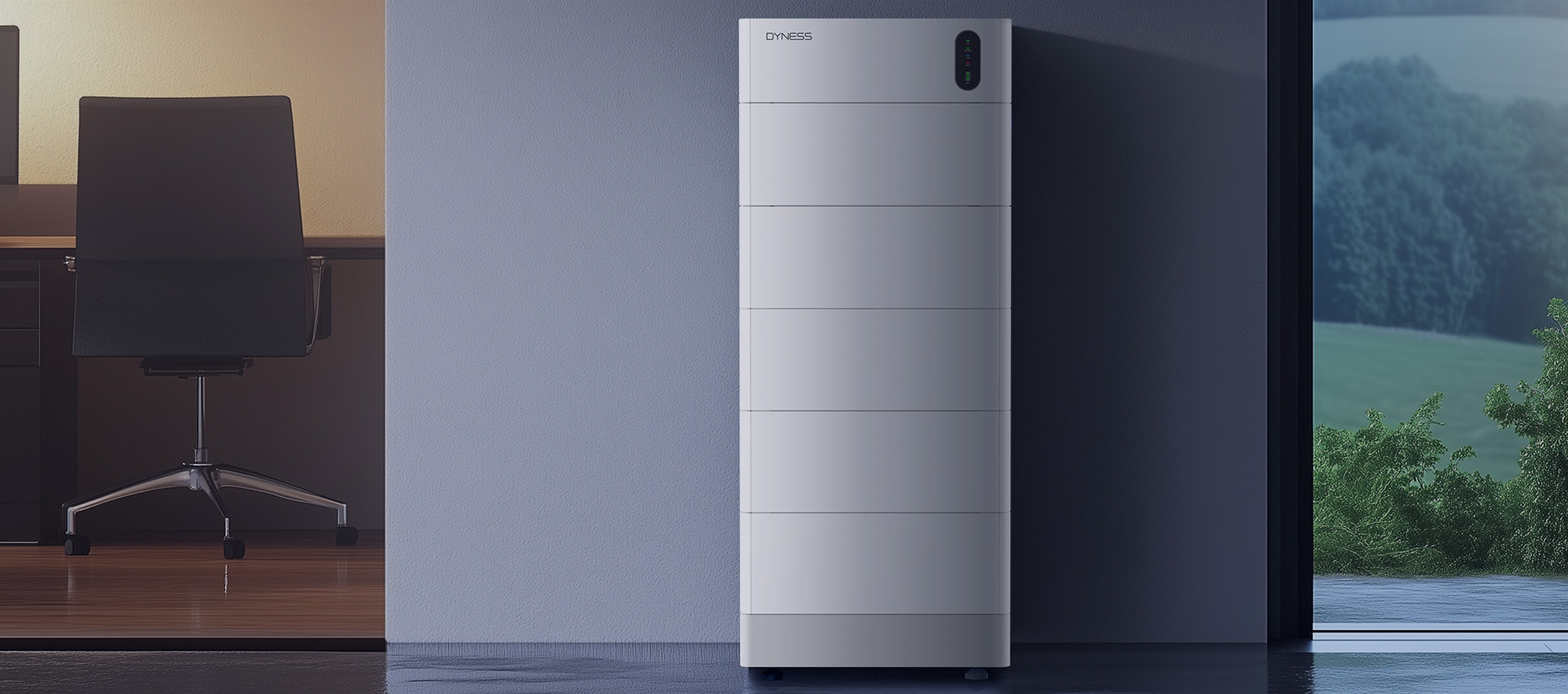

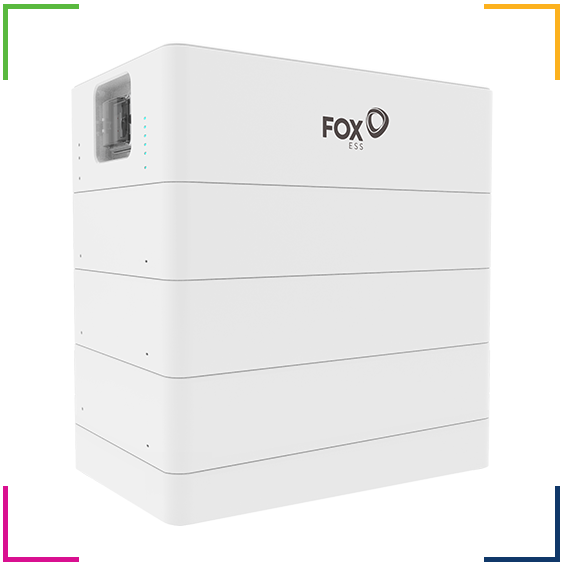
VS
The verdict
13 differences, and they point both ways
The largest is usable energy: 0.16 kWh apart. 7 of 20 comparable parameters are identical, with 13 more left out because at least one datasheet does not publish them.
See all 13 differencesHow alike are they
7
of 20 comparable
parameters are identical
parameters are identical
identical
differs
not published
01
13 of 20 parameters
What actually differs
Parameter
Tower Pro TP7
ECS4300H-H2
Difference
Usable energy
7.30 kWh
7.46 kWh
0.16 kWh apart
Cycle life
8000 cycles
6000 cycles
2000 cycles more
Max system capacity
23.0 kWh
29.0 kWh
5.9 kWh more room to expand
Nominal energy
7.68 kWh
8.29 kWh
0.61 kWh apart
Depth of discharge
95 %
90 %
5 pp more of the cells usable
Nominal voltage
192 V
115 V
77 V apart
Weight
99.5 kg
78.5 kg
21.0 kg lighter
Weight per kWh
13.6 kg/kWh
10.5 kg/kWh
3.1 kg/kWh lighter
Cycle test depth
95 %
90 %
5 pp apart
Ingress protection
IP55
IP65
IP55 vs IP65
Modules per stack
2-6
2-7
2-6 vs 2-7
Operating voltage
168-219 V
97.2-131.4 V
168-219 V vs 97.2-131.4 V
Dimensions
788x587x310 mm
366x570x380 mm
788x587x310 mm vs 366x570x380 mm
02
1 shop we track
Price offers
Shop
Tower Pro TP7
ECS4300H-H2
At this shop
Shop prices by brand: See 20 Dyness offers · See 21 FoxESS offers
03
Full specification
Parameter
Tower Pro TP7
ECS4300H-H2
Difference
Capacity
Usable energy
7.30 kWh
7.46 kWh
0.16 kWh apart
Nominal energy
7.68 kWh
8.29 kWh
0.61 kWh apart
Depth of discharge
95 %
90 %
+5 pp for Tower Pro TP7
Max system capacity
23.0 kWh
29.0 kWh
+5.9 kWh for ECS4300H-H2
Modules per stack
2-6
2-7
2-6 vs 2-7
Power
Continuous discharge power
7.68 kW
-
Not published by FoxESS
Continuous charge power
7.68 kW
-
Not published by FoxESS
Peak discharge power
-
-
Neither datasheet publishes this
Power per kWh
1.05 kW/kWh
-
Not published by FoxESS
Efficiency and lifetime
Round-trip efficiency
95.0 %
95.0 %
Same
Cycle life
8000 cycles
6000 cycles
+2000 cycles for Tower Pro TP7
Cycle test depth
95 %
90 %
5 pp apart
Capacity at end of life
-
-
Neither datasheet publishes this
Self-discharge
-
-
Neither datasheet publishes this
Electrical
Voltage class
High voltage
High voltage
Same
Nominal voltage
192 V
115 V
77 V apart
Operating voltage
168-219 V
97.2-131.4 V
168-219 V vs 97.2-131.4 V
Cell chemistry
LFP
LFP
Same
Active cell balancing
-
-
Neither datasheet publishes this
Thermal management
-
-
Neither datasheet publishes this
Built-in inverter
Inverter
None (battery only)
None (battery only)
Same
Inverter power
-
-
Neither datasheet publishes this
Grid connection
-
-
Neither datasheet publishes this
Backup power
-
-
Neither datasheet publishes this
Physical
Weight
99.5 kg
78.5 kg
-21.0 kg for ECS4300H-H2
Weight per kWh
13.6 kg/kWh
10.5 kg/kWh
-3.1 kg/kWh for ECS4300H-H2
Dimensions
788x587x310 mm
366x570x380 mm
788x587x310 mm vs 366x570x380 mm
Ingress protection
IP55
IP65
IP55 vs IP65
Outdoor-rated
Yes
Yes
Same
Min operating temperature
-20 °C
-20 °C
Same
Max operating temperature
55 °C
55 °C
Same
Warranty
Warranty
15 yrs
-
Not published by FoxESS
Warranted throughput
-
-
Neither datasheet publishes this
04
Open all batteries
More useful comparisons
Similar capacity

Dyness Tower Pro TP7 vs Deye GB-L8
16 differences, the largest is continuous discharge power
Similar capacity
Dyness Tower Pro TP7 vs Deye GB-SL-EU (2 modules in series)
15 differences, the largest is cycle life
Similar capacity

Dyness Tower Pro TP7 vs FoxESS HS7.5
11 differences, the largest is cycle life
Similar capacity

FoxESS ECS4300H-H2 vs BYD Battery-Box Premium HVS 7.7
15 differences, the largest is usable energy
05
Written summary
Checking cache...
Every figure here is from the manufacturers' own datasheets - a dash means the value is not published, never an estimate.