Space saver, no clear weak spot
The JA Solar Monocrystalline 80 series is designed to maximize energy production from a single module, where every square meter of roof or structure counts. The use of monocrystalline cells in an 80-cell configuration helps to better utilize the active surface area, while a refined connection architecture minimizes internal resistance losses. In practice, this translates to higher daily production and more stable operation in installations exposed to variable weather conditions. These modules are designed for robust mechanical durability, which is important on roofs in snowy and windy areas, and the quality of lamination and protection ensures long-term operation without frequent maintenance. Monocrystalline 80 is suitable for both residential and commercial installations, especially where the investor expects low losses under partial shading and predictable performance. Compared to many competing solutions, it stands out for its suitability for dense roof configurations and its emphasis on the real-world efficiency of the module, rather than just its specifications.
Ranking
Signals from the data
Residential and commercial.
Top 2% of the 210-410 W band, against a median of 197.6. Ranked 7,312th in the whole database.
Top 2% of the 210-410 W band, against a median of 19.80%. Ranked 7,358th in the whole database.
Top 4% of the 210-410 W band, against a median of 57.7. Ranked 2,244th in the whole database.
The efficiency range of 20.05%–23.15% clearly outperforms Waaree ARKA Series (19.81%) and Jinko Solar 72 Series Polycrystalline (17%). The upper bound of 23.15% also exceeds Techwise Solar Micro Sun Series (21.12%), making this series the efficiency leader within the provided peer comparables.
JA Solar has maintained continuous BNEF Tier-1 bankable status for many years, including Q1 2026. This ensures full bankability for installations — a requirement set by most financial institutions funding PV projects above 1 MWp.
A broad power range within a single series allows matching the module to small residential systems (200–250 Wp) as well as compact commercial arrays (300–330 Wp) without mixing products from different generations or manufacturers.
The 80-cell format delivers higher output power per module footprint compared to standard 60-cell configurations, directly translating to a higher yield per m² of roof or ground surface.
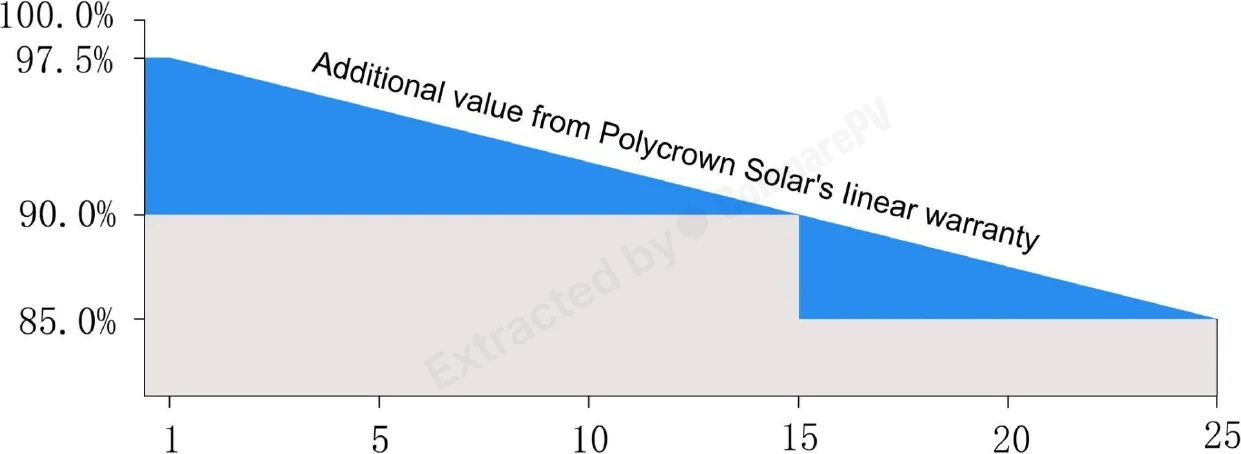
The 25-year performance warranty aligns with the Tier-1 industry standard and provides project-level financial predictability. The guaranteed minimum power retention throughout the module's operational life is critical for accurate LCOE modeling.
JA Solar Monocrystalline80 was discontinued in 2022 after only two years on the market (released 2020). Availability of new modules is severely limited, and service, replacement of damaged units, or power-matching during system expansions may be difficult or impossible to execute.
Current Tier-1 manufacturers — including JA Solar's own newer lines such as Deep Blue 4.0 Pro — standardly offer 25-year product warranties. The Monocrystalline80 series stops at 15 years, effectively shortening the risk-free operational window by a decade and reducing attractiveness for long-term bank-financed projects.
Modules are strictly monofacial (is_bifacial: false). In ground-mount or high-albedo surface installations (concrete, white TPO membrane), bifacial modules typically generate 5–15% additional energy from reflected irradiance. The absence of this feature is a tangible disadvantage versus most new product launches from 2022–2026.
- Efficiency of 21.8% matches the database median
- At 217.5 W/m² power density, roof space requirements are typical for database panels
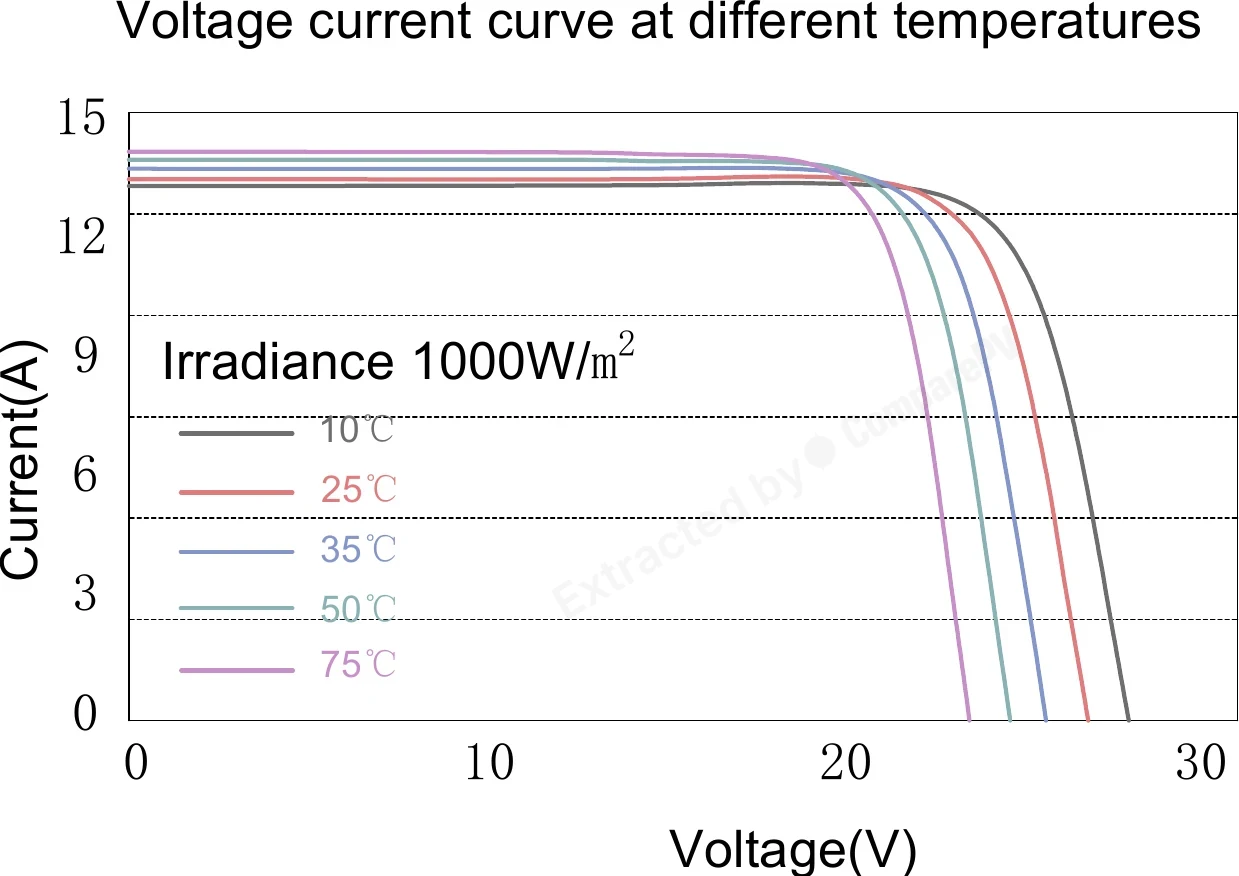
- At -0.29%/°C, hot weather performance is typical for database panels
- At 15.0 kg, this panel is 11.5 kg lighter than database median (26.5 kg) - easier handling during installation
- #7358 for efficiency, #2165 for temperature performance out of 14005 panels
Specifications
Datasheet charts
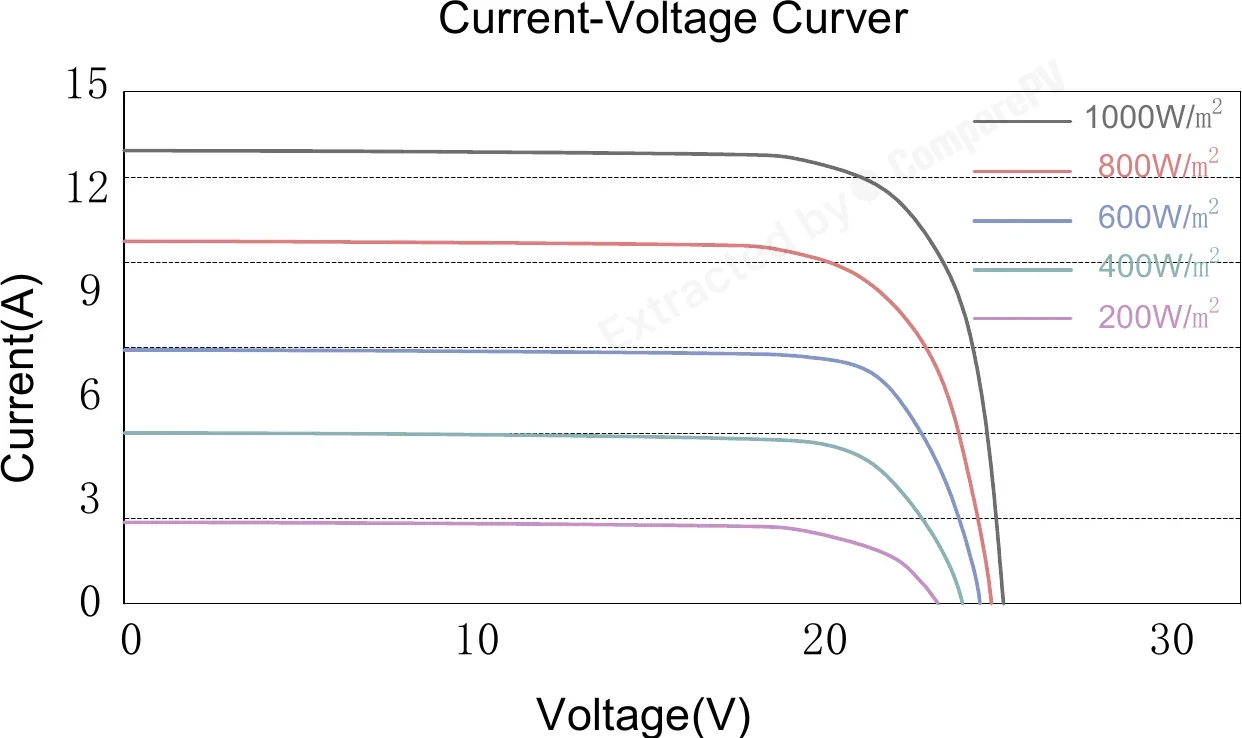
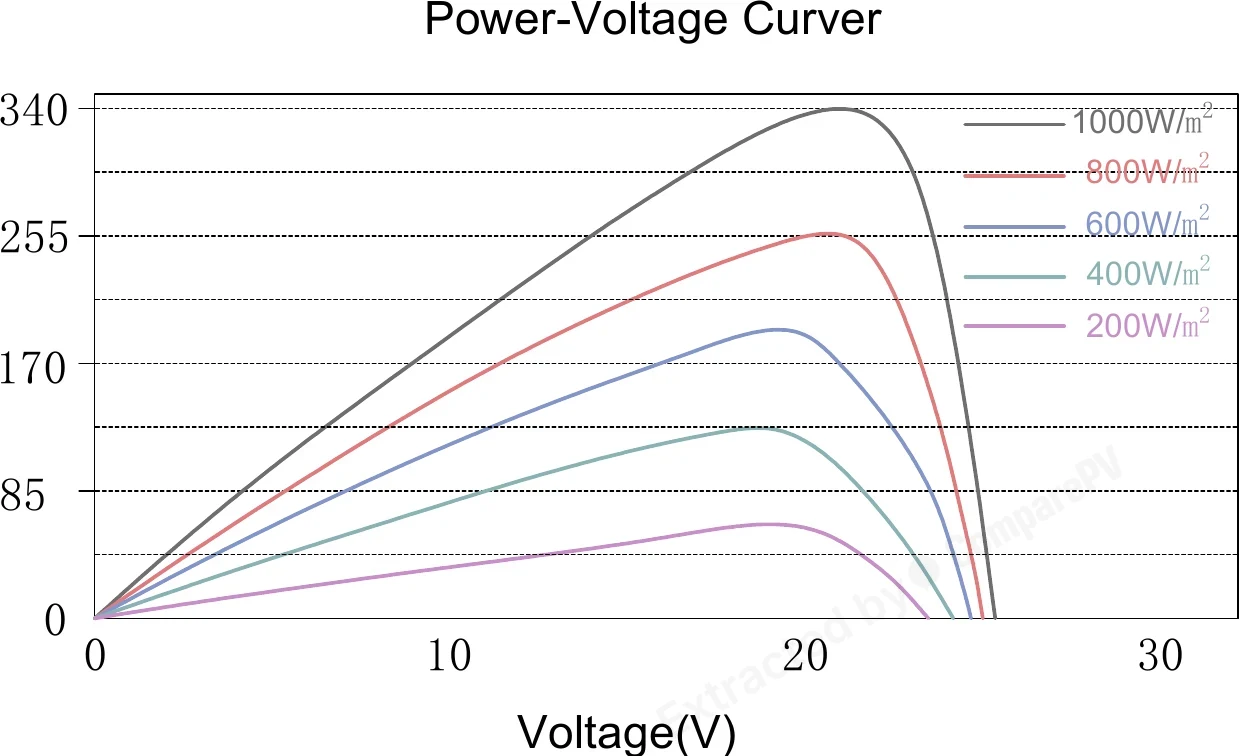
Measured curves published by JA Solar in this model's datasheet. A chart carrying a wattage was measured on that variant alone - only the ones that describe 310 Wp appear here. The rest cover the whole series.
Simulations
Degradation from this panel's own datasheet figures. No inverter, soiling or shading losses.




Found 10 panels of the same or similar size to this one, within ±10 mm. See them here Found 10 panels of the same or similar size to this one, within ±25 mm. See them here Found 10 panels of the same or similar size to this one, within ±50 mm. See them here Found 10 panels of the same or similar size to this one, within ±100 mm. See them here