Light for its output, needs the roof space
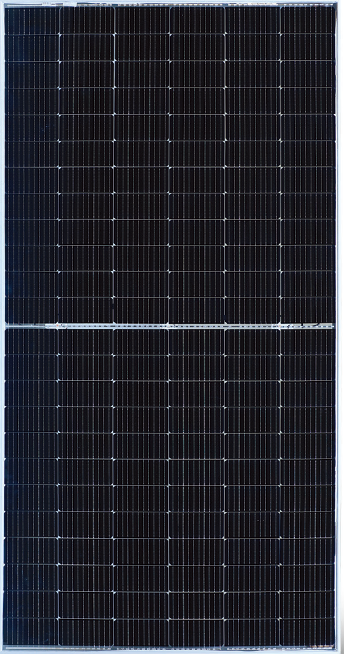
The Emmvee QUARTZ series consists of monocrystalline modules designed to maximize energy production from the same surface area - particularly in situations where every square meter of roof or ground space is valuable. The use of a transparent backsheet allows for more efficient utilization of scattered and reflected light, which translates into improved energy production under real-world conditions, even in less sunny environments. The design based on half-cut cells improves module performance under partial shading, reducing losses and the risk of power drops throughout the day. In practice, QUARTZ helps reduce energy costs from installations thanks to higher albedo generation and more stable operation in varying weather conditions. Furthermore, the use of multi-busbar connections supports the electrical and mechanical durability of the module. This is a good option for roof and ground-mounted installations in Poland - from single-family homes to businesses and solar farms, where efficiency, reliability, and resistance to harsh operating conditions are important.
Ranking
Signals from the data
Residential, commercial and shaded-installations.
Roofs where every square metre has to count, tight roof space and owners who want a long output guarantee.
Top 9% of the PERC 500-550 W segment, against a median of 53.0. Ranked 2,698th in the whole database.
Bottom 15% of the PERC 500-550 W segment, against a median of 209.0.
Bottom 17% of the PERC 500-550 W segment, against a median of 20.90%.
Bottom 23% of the PERC 500-550 W segment, against a median of 30 yrs.
The combination of a transparent backsheet and bifacial cell architecture enables energy generation from albedo (light reflected from the ground surface). According to Emmvee data, QUARTZ series modules can harvest up to 30% additional energy from reflected light under favorable conditions — a tangible advantage in installations over light-colored gravel, snow, or white roofing membranes.
Emmvee is the only Indian manufacturer to have passed all seven test sequences in the Kiwa PVEL Reliability Scorecard in 2024. This independent quality verification clearly distinguishes the series from lesser-known Asian brands that lack equivalent third-party certification.
The maximum module efficiency of 21.1% is identical to that of the S-Energy SE65-72BGJ (21.1%) and only 0.03 percentage points below the Jinko Tiger Pro 72HC-TV (21.13%) and Waaree ARKA (21.17%). The QUARTZ series therefore sits at the very top of the comparison set without requiring a Tier-1 brand premium.
The manufacturer specifies an annual degradation rate of 0.4%, which — over a 25-year power output warranty — corresponds to retention of at least ~84.8% of nominal output after 25 years. This is competitive against the industry standard of 0.45–0.55% per year.
Half-cut cell technology combined with a multi-busbar interconnection scheme reduces mismatch losses under partial shading and lowers internal module resistance. This translates to more stable performance under conditions typical of Polish rooftops, where partial shading from chimneys and antennas is common.
Emmvee does not appear on the BNEF Tier 1 bankable manufacturers list, unlike its direct peer Jinko Solar. For commercial installations and PV farms financed through project finance structures, the absence of bankable status may prevent or complicate debt financing, as lenders routinely require modules from BNEF-listed manufacturers.
The QUARTZ series is based on PERC (p-type) cells, while the premium market segment is shifting toward N-type TOPCon, which offers lower LID degradation and a superior temperature coefficient. As of 2025–2026, TOPCon modules in a comparable power class are already available from multiple suppliers at similar price points.
The product workmanship warranty stands at 12 years, which represents the lower boundary of current market standards. Premium manufacturers — such as REC Group and Q CELLS — offer 20–25-year product warranties on comparably priced modules, a factor that directly affects residual asset value risk once the warranty period expires.
- Efficiency of 20.5% matches the PERC 500-550W median
- At 205.2 W/m², this panel generates 3.8 W/m² less per unit area than PERC 500-550W median (209.0 W/m²)
- Temperature coefficient of -0.35%/°C matches the PERC 500-550W median
- 26.0 kg weight - 2.4 kg lighter than PERC 500-550W median (28.4 kg), reducing installation effort
- In the top 80% for efficiency among all PERC panels
Specifications
Simulations
Degradation from this panel's own datasheet figures. No inverter, soiling or shading losses.
Alternatives



Found 2326 panels of the same or similar size to this one, within ±10 mm. See them here Found 2368 panels of the same or similar size to this one, within ±25 mm. See them here Found 2382 panels of the same or similar size to this one, within ±50 mm. See them here Found 2547 panels of the same or similar size to this one, within ±100 mm. See them here