Light for its output, no clear weak spot
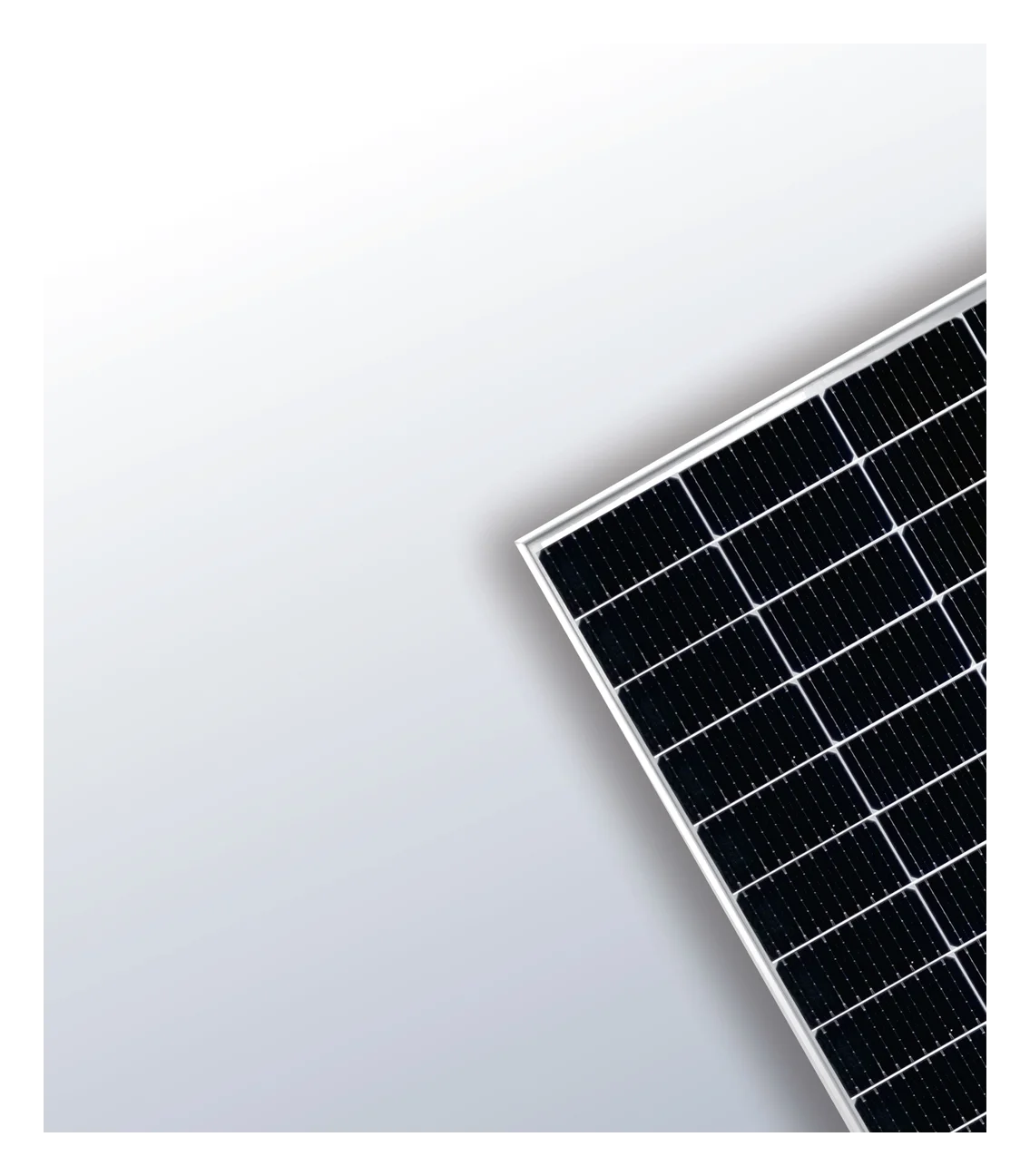
The EGing PV STAR SERIES was designed to maximize energy yield in real-world installation conditions - especially on cooler days, overcast skies, or early and late sun. What sets it apart is its use of N-Type TOPCon cells, which help minimize power losses during operation and better withstand demanding environmental conditions. The Half-Cell construction and SMBB (multi busbar) design support higher operational efficiency by reducing resistances and improving module performance under partial shading.
Depending on the variant, the series also includes bifacial dual glass versions, which can effectively utilize reflected light from the ground - a particular advantage in ground-mounted installations, flat roofs, and systems with light-colored surfaces. The STAR SERIES is an excellent choice for investors seeking modules for residential, C&I, and utility-scale PV farms, where high yield, durability against degradation, and predictable long-term production are key.
Ranking
Signals from the data
Residential, commercial and shaded-installations.
Top 9% of the PERC 350-400 W segment, against a median of 55.8. Ranked 4,495th in the whole database.
EGing PV has appeared on the BNEF Tier-1 list for multiple consecutive quarters, including Q2 2024. This status reflects the manufacturer's ability to secure non-recourse financing across at least six projects exceeding 5 MW, underpinning its bankability for lease structures and project finance.
A peak efficiency of 21.29% positions the STAR SERIES at the forefront of the monofacial PERC segment: IBC Solar 182M Half Cell reaches 21.28% and Adani ETERNAL SHINE 21.31%, making the series directly comparable to established market peers. Given that PERC technology approaches a practical efficiency ceiling of approximately 21.6%, a rating of 21.29% represents near-maximum exploitation of this cell class.
An exceptionally broad lineup of 32 variants across 54-, 60-, and 72-cell formats (385–550 Wp) enables precise module selection for residential prosumer systems, C&I facilities, and utility-scale PV plants without design compromises or the need to source a different series.
Selected variants carry a 30-year linear power warranty (minimum 84.8% rated power after 25 years at an annual degradation rate of ~0.55%/yr), exceeding the 25-year standard offered by peer comparables such as IBC Solar and Adani, and providing a robust basis for project LCOE modeling.
The half-cut cell design halves each cell, reducing resistive losses and limiting output drop under partial shading. Combined with a Super Multi-Busbar (SMBB) layout, current path lengths are shortened and susceptibility to microcracks is reduced — both hallmarks of modern premium PERC modules in this power class.
The STAR SERIES is marked as discontinued (launched 2022, end-of-production confirmed in series data); it has not appeared among active products on egingpv.com since late 2024. This translates to limited availability of new units, risk of unavailability of replacement components (frames, junction boxes), and reduced after-sales serviceability for installations with long operational horizons.
P-type PERC cells exhibit Light-Induced Degradation (LID) of approximately 1.9% in the first year versus ~0.26% for N-type TOPCon under equivalent irradiation (60 kWh/m²), with an ongoing annual degradation of ~0.55%/yr compared to ~0.4%/yr for N-type. This results in measurably lower cumulative energy yield over 25 years relative to the increasingly prevalent TOPCon modules — a technology that captured approximately 66% of global production in 2024.
The product (workmanship) warranty spans only 12–15 years, whereas premium manufacturers such as REC, SunPower, and Panasonic offer a standard 25-year product warranty. The shorter coverage may represent a risk factor in long-term lease agreements or where commercial project lenders impose minimum warranty requirements.
The entire series is monofacial (is_bifacial: false), precluding any energy gain from reflected irradiance. In ground-mount and flat-roof installations with high-albedo surfaces, bifacial modules typically deliver 5–15% higher annual energy yield — an advantage available, for example, in the same manufacturer's Star Series BF-DG variant, which is not offered within this series.
- At 20.2% efficiency, this panel is 0.8pp above typical PERC 0-400W modules (median: 19.4%)
- Power density of 202.3 W/m² packs 7.9 W/m² more into the same footprint vs PERC 0-400W median (194.4 W/m²)
- Temperature coefficient of -0.35%/°C matches the PERC 0-400W median
- In the top 85% for efficiency among all PERC panels
Specifications
Simulations
Degradation from this panel's own datasheet figures. No inverter, soiling or shading losses.






Found 1783 panels of the same or similar size to this one, within ±10 mm. See them here Found 1914 panels of the same or similar size to this one, within ±25 mm. See them here Found 3392 panels of the same or similar size to this one, within ±50 mm. See them here Found 3970 panels of the same or similar size to this one, within ±100 mm. See them here