Jinko Solar JKM670N-66QL6-BDV-F4-EU vs Jinko Solar JKM650-670N-66QL6-BDV (665W class)
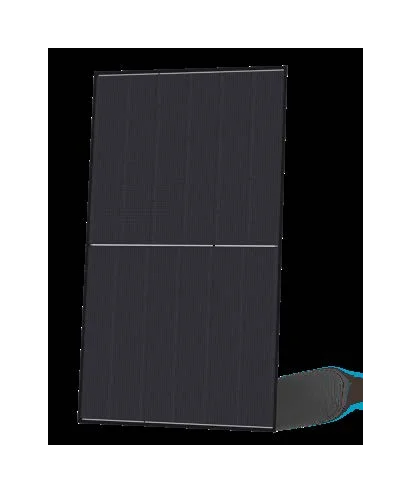
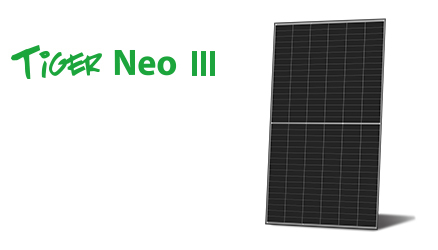
VS
The verdict
One difference, none of them an advantage
The largest is cell technology: N-type vs TOPCon. 17 of 18 comparable parameters are identical, with 1 more left out because at least one datasheet does not publish it.
See the one differenceHow alike are they
17
of 18 comparable
parameters are identical
parameters are identical
identical
differs
not published
01
1 of 18 parameters
What actually differs
Parameter
JKM670N-66QL6-BDV-F4-EU
JKM650-670N-66QL6-BDV (665W class)
Difference
Cell technology
N-type
TOPCon
N-type vs TOPCon
02
What it means on a roof
Thirty years of production
Each panel's own declared degradation curve, at 1,200 kWh/kWp a year
Same temp coeff. for both panels (-0.260 %/°C), so a warmer roof scales both curves by the same factor: the totals fall together and neither panel gains on the other.
JKM670N-66QL6-BDV-F4-EU
22,655 kWh
JKM650-670N-66QL6-BDV (665W class)
22,486 kWh
Lifetime gap
169 kWh
Output when it is hot
Rated power carried across the range a module actually sees
Scenario
JKM670N-66QL6-BDV-F4-EU
JKM650-670N-66QL6-BDV (665W class)
Standard test conditions
25 °C
100.0% of rated power
670 W
665 W
Cool, bright day
40 °C
96.1% of rated power
644 W
639 W
Typical summer roof
55 °C
92.2% of rated power
618 W
613 W
Hot roof
70 °C
88.3% of rated power
592 W
587 W
03
Full specification
Parameter
JKM670N-66QL6-BDV-F4-EU
JKM650-670N-66QL6-BDV (665W class)
Difference
Power and efficiency
Rated power
670 Wp
665 Wp
Effectively the same
Module efficiency
24.80 %
24.62 %
Effectively the same
Power density
248.0 Wp/m²
246.2 Wp/m²
Effectively the same
Open-circuit voltage
50.60 V
50.80 V
Effectively the same
Voltage at max power
42.92 V
42.96 V
Effectively the same
Short-circuit current
16.34 A
16.16 A
Effectively the same
Current at max power
15.61 A
15.48 A
Effectively the same
Temperature
Temperature coefficient
-0.260 %/°C
-0.260 %/°C
Same
Mechanical
Dimensions
2382x1134x30 mm
2382x1134x30 mm
Same
Module area
2.701 m²
2.701 m²
Same
Weight
32.5 kg
32.5 kg
Same
Weight per kWp
48.5 kg/kWp
48.9 kg/kWp
Effectively the same
Warranty and degradation
Product warranty
12 yrs
12 yrs
Same
Performance warranty
30 yrs
30 yrs
Same
Annual degradation
0.35 %/yr
0.35 %/yr
Same
Technology
Cell technology
N-type
TOPCon
N-type vs TOPCon
Cell type
Monocrystalline
Monocrystalline
Same
Cell count
264
-
Not published by Jinko Solar
Bifacial
Yes
Yes
Same
04
14,005 panels
Against the whole database
Efficiency
#12
vs
#42
JKM670N-66QL6-BDV-F4-EU leads by 30 places
Power density
#14
vs
#42
JKM670N-66QL6-BDV-F4-EU leads by 28 places
Heat behaviour
#511
vs
#511
Tied - the same position in the database
Weight
#2,321
vs
#2,555
JKM670N-66QL6-BDV-F4-EU leads by 234 places
Warranty
#21
vs
#21
Tied - the same position in the database
Overall
#486
vs
#634
JKM670N-66QL6-BDV-F4-EU leads by 148 places
05
Open the full database
More useful comparisons
Same series, other bin

Jinko Solar JKM670N-66QL6-BDV-F4-EU vs Jinko Solar JKM650-670N-66QL6-BDV (670W class)
One difference: cell technology
Same series, other bin
Jinko Solar JKM670N-66QL6-BDV-F4-EU vs Jinko Solar JKM650-670N-66QL6-BDV-F2-EU (670W)
One difference: cell technology
Same series, other bin
Jinko Solar JKM670N-66QL6-BDV-F4-EU vs Jinko Solar JKM645-670N-66QL6-BDV-L
The same specification on paper
Same series, other bin
Jinko Solar JKM670N-66QL6-BDV-F4-EU vs Jinko Solar JKM670N-66QL6-BDX
3 differences, the largest is weight
Same series, other bin
Jinko Solar JKM670N-66QL6-BDV-F4-EU vs Jinko Solar JKM650-670N-66QL6-BDV-F2-EU (665W)
One difference: cell technology
Same series, other bin
Jinko Solar JKM670N-66QL6-BDV-F4-EU vs Jinko Solar JKM665N-66QL6-BDV-AntiGlare-F1-EU
The same specification on paper
06
Written summary
Checking cache...
07
Questions about this pairing
Which panel is better: Jinko Solar JKM670N-66QL6-BDV-F4-EU or Jinko Solar JKM650-670N-66QL6-BDV (665W class)?
According to our database: Jinko Solar JKM670N-66QL6-BDV-F4-EU has higher module efficiency (24.80% vs 24.62%). See the full spec comparison and 30-year energy simulation above for a complete picture.
What is the efficiency of Jinko Solar JKM670N-66QL6-BDV-F4-EU and Jinko Solar JKM650-670N-66QL6-BDV (665W class)?
Jinko Solar JKM670N-66QL6-BDV-F4-EU has a module efficiency of 24.80%, while Jinko Solar JKM650-670N-66QL6-BDV (665 W class) is 24.62%. Higher efficiency means more electricity from the same roof area - useful when space is limited.
What cell technology does Jinko Solar JKM670N-66QL6-BDV-F4-EU use vs Jinko Solar JKM650-670N-66QL6-BDV (665W class)?
Jinko Solar JKM670N-66QL6-BDV-F4-EU uses N-type cells; Jinko Solar JKM650-670N-66QL6-BDV (665 W class) uses TOPCon. Modern n-type technologies (TOPCon, HJT, BC) typically deliver higher efficiency and lower degradation compared to older PERC (p-type) cells.
What is the warranty on Jinko Solar JKM670N-66QL6-BDV-F4-EU and Jinko Solar JKM650-670N-66QL6-BDV (665W class)?
Jinko Solar JKM670N-66QL6-BDV-F4-EU has a 30 years power warranty; Jinko Solar JKM650-670N-66QL6-BDV (665 W class) has a 30 years power warranty. The power warranty guarantees a minimum percentage of rated output at the end of the warranty period (typically 80-87%). Product (materials) warranties are usually shorter.
Are Jinko Solar JKM670N-66QL6-BDV-F4-EU and Jinko Solar JKM650-670N-66QL6-BDV (665W class) bifacial panels?
Both Jinko Solar JKM670N-66QL6-BDV-F4-EU and Jinko Solar JKM650-670N-66QL6-BDV (665 W class) are bifacial - they capture reflected light from the ground, which can add 5-15% more annual energy on ground-mount or elevated rooftop installations with a light surface beneath.
Shop prices: See 158 Jinko Solar offers
Every figure here is from the manufacturers' own datasheets - a dash means the value is not published, never an estimate. The thirty-year projection and the temperature scenarios are calculations from those figures, and each states its assumption above.