Dyness DL5.0C vs FelicityESS LUX-E-48100LG03


VS
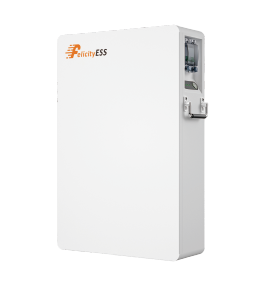

The verdict
DL5.0C leads on the differences that matter
The largest is usable energy: 0.25 kWh apart. 9 of 17 comparable parameters are identical, with 16 more left out because at least one datasheet does not publish them.
See all 8 differencesHow alike are they
9
of 17 comparable
parameters are identical
parameters are identical
identical
differs
not published
01
8 of 17 parameters
What actually differs
Parameter
DL5.0C
LUX-E-48100LG03
Difference
Usable energy
4.61 kWh
4.86 kWh
0.25 kWh apart
Max system capacity
230.5 kWh
72.9 kWh
157.6 kWh more room to expand
Depth of discharge
90 %
95 %
5 pp more of the cells usable
Cycle test depth
90 %
80 %
10 pp apart
Weight
54.0 kg
55.0 kg
1.0 kg lighter
Ingress protection
IP20
IP21
IP20 vs IP21
Weight per kWh
11.7 kg/kWh
11.3 kg/kWh
0.4 kg/kWh lighter
Dimensions
558x545x150 mm
542x754x209 mm
558x545x150 mm vs 542x754x209 mm
02
5 shops we track
Price offers
Shop
DL5.0C
LUX-E-48100LG03
At this shop
Shop prices by brand: See 20 Dyness offers · See 1 FelicityESS offer
03
Full specification
Parameter
DL5.0C
LUX-E-48100LG03
Difference
Capacity
Usable energy
4.61 kWh
4.86 kWh
0.25 kWh apart
Nominal energy
5.12 kWh
5.12 kWh
Same
Depth of discharge
90 %
95 %
+5 pp for LUX-E-48100LG03
Max system capacity
230.5 kWh
72.9 kWh
+157.6 kWh for DL5.0C
Modules per stack
-
-
Neither datasheet publishes this
Power
Continuous discharge power
2.56 kW
-
Not published by FelicityESS
Continuous charge power
2.56 kW
-
Not published by FelicityESS
Peak discharge power
5.63 kW
-
Not published by FelicityESS
Power per kWh
0.56 kW/kWh
-
Not published by FelicityESS
Efficiency and lifetime
Round-trip efficiency
90.0 %
-
Not published by FelicityESS
Cycle life
6000 cycles
6000 cycles
Same
Cycle test depth
90 %
80 %
10 pp apart
Capacity at end of life
-
-
Neither datasheet publishes this
Self-discharge
-
-
Neither datasheet publishes this
Electrical
Voltage class
Low voltage
Low voltage
Same
Nominal voltage
51 V
51 V
Same
Operating voltage
44.8-57.6 V
44.8-57.6 V
Same
Cell chemistry
LFP
LFP
Same
Active cell balancing
-
-
Neither datasheet publishes this
Thermal management
Yes
-
Not published by FelicityESS
Built-in inverter
Inverter
None (battery only)
None (battery only)
Same
Inverter power
-
-
Neither datasheet publishes this
Grid connection
-
-
Neither datasheet publishes this
Backup power
-
-
Neither datasheet publishes this
Physical
Weight
54.0 kg
55.0 kg
-1.0 kg for DL5.0C
Weight per kWh
11.7 kg/kWh
11.3 kg/kWh
-0.4 kg/kWh for LUX-E-48100LG03
Dimensions
558x545x150 mm
542x754x209 mm
558x545x150 mm vs 542x754x209 mm
Ingress protection
IP20
IP21
IP20 vs IP21
Outdoor-rated
-
-
Neither datasheet publishes this
Min operating temperature
-20 °C
-20 °C
Same
Max operating temperature
55 °C
55 °C
Same
Warranty
Warranty
-
10 yrs
Not published by Dyness
Warranted throughput
-
-
Neither datasheet publishes this
04
Open all batteries
More useful comparisons
Similar capacity

Dyness DL5.0C vs SolarEdge BAT-05K48 (single module)
13 differences, the largest is round-trip efficiency
Similar capacity

Dyness DL5.0C vs Deye AI-W5.1-B (1 module)
10 differences, the largest is continuous discharge power
Similar capacity
Dyness DL5.0C vs Deye SE-F5
10 differences, the largest is usable energy
Similar capacity
FelicityESS LUX-E-48100LG03 vs Deye SE-G5.1 Pro-B (EU, NA, AU)
9 differences, the largest is usable energy
Similar capacity
FelicityESS LUX-E-48100LG03 vs Deye RW-L5.1
6 differences, the largest is usable energy
05
Written summary
Checking cache...
Every figure here is from the manufacturers' own datasheets - a dash means the value is not published, never an estimate.